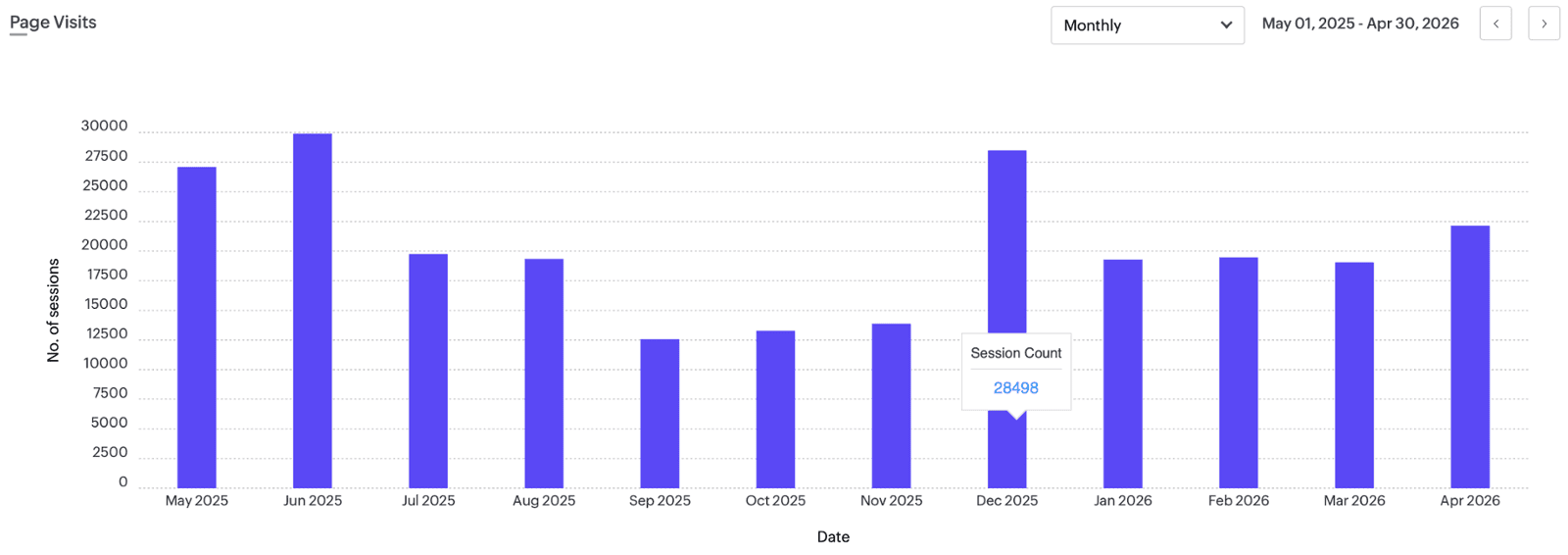
Uups, what happened with my Website ?
Organic search traffic changed fast after August 2025, and many publishers felt the impact immediately. What looked like a modest average decline in some reports masked much steeper losses in tech, news, and informational niches, where Google’s spam update, AI Overviews, and reporting changes converged to reduce clicks and distort the usual SEO playbook.
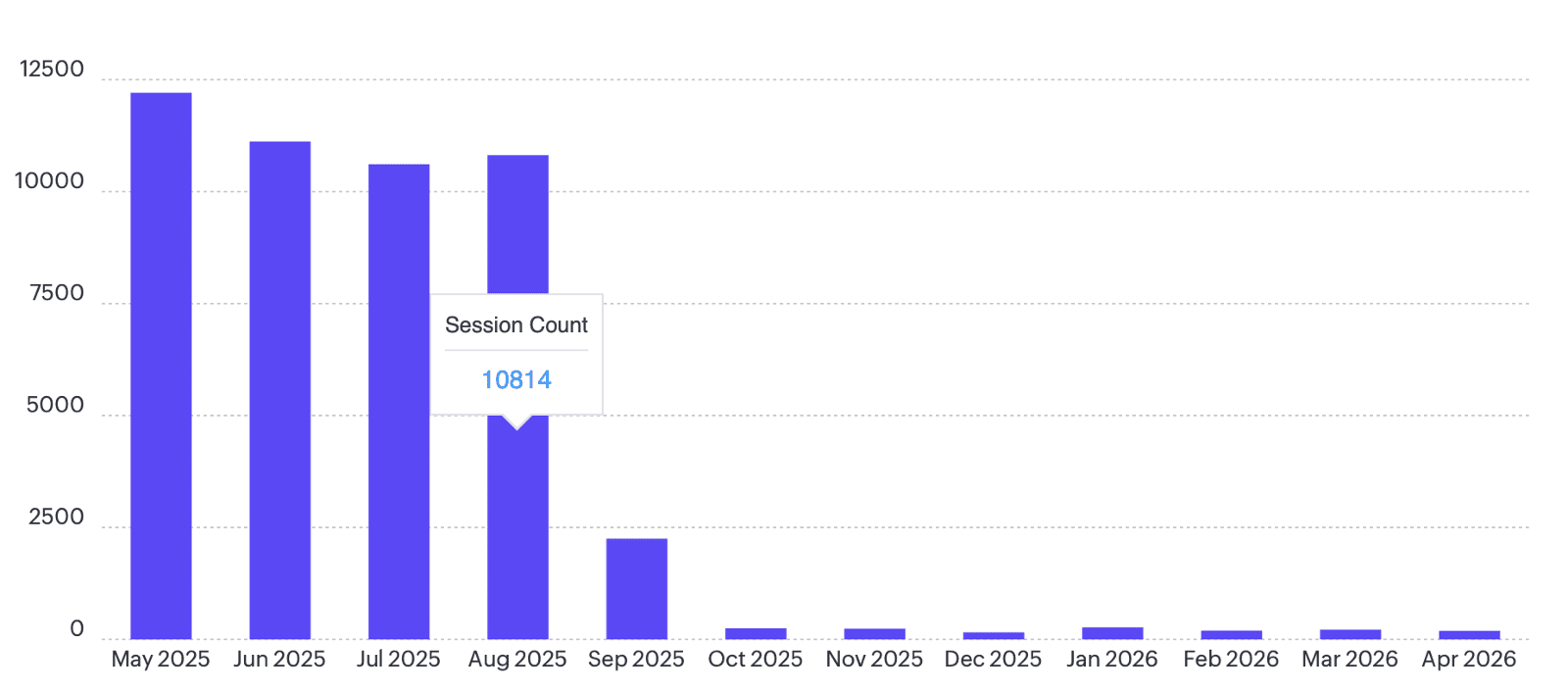
The decline in organic traffic after August 2025 was not caused by one single event. Instead, it was the result of three overlapping shifts in search: a major Google spam update, the continued rollout of AI Overviews, and changes in how search traffic is measured and reported.
For many websites, especially those in information-heavy verticals, this created a perfect storm. Rankings may have stayed relatively stable in some cases, but clicks still fell because users were getting answers directly in the search results.
Why the Decline Hit So Hard
The average decline reported in some studies was only around 2.5%, but averages can hide major differences. Bigger brands and highly authoritative sites often held up better, while smaller publishers and niche content sites saw more dramatic losses.
This is especially true in tech, news, and educational content, where searchers often want quick answers. When Google serves an AI-generated summary before the user reaches the website, even a top ranking does not guarantee the same traffic it used to.
Google Spam Update Impact
Google’s spam update appears to have played a major role in the post-August traffic drop. Sites with thin content, aggressive SEO patterns, low-value pages, or weak trust signals were more likely to lose visibility.
That does not mean every traffic decline came from penalties. In many cases, the update simply reshaped how Google evaluated quality, which changed which pages earned impressions and clicks.
AI Overviews and Zero-Click Search
AI Overviews have steadily expanded across more query types, especially informational searches. That matters because these summaries satisfy many user needs without requiring a click to an external page.
This shift pushes search behavior toward zero-click outcomes. Even when a page still ranks well, it may receive fewer visits because the search result itself now answers the question first.
Search Reporting Changes
Another layer of confusion came from search reporting changes. Some site owners noticed that traffic trends became harder to interpret because the visible search landscape changed at the same time.
That means a drop in clicks is not always explained by a drop in rankings alone. In some cases, the change is partly behavioral, partly algorithmic, and partly a measurement issue.
What Publishers Should Do
Publishers should stop relying on raw organic traffic as the only success metric. Brand searches, direct visits, email signups, returning users, and assisted conversions matter more now than they did in a classic blue-link search world.
They should also invest in content that is hard for AI to summarize fully. Original research, expert commentary, lived experience, case studies, and proprietary data tend to have more staying power than generic informational pages.